
A beginner volleyball program should make it clear where a new player can start. Look for a stated entry level, an understandable description of the activities and an eligibility rule that fits the participant. Once those basics are confirmed, compare the location, schedule and practical arrangements.
Beginner experience is not defined by enthusiasm alone. A player may enjoy watching volleyball or playing at recess and still be new to structured instruction. Explain that background honestly when asking for guidance. It gives the provider a better chance of recommending an appropriate starting group.
Describe the player’s starting point
Make a short list of what the participant has actually done. Have they joined a school activity, taken a class, played occasional games or never tried the sport? Are they comfortable following instructions in a group? Is there a particular part of the game they want to understand?
You do not need to assess technical ability yourself. Specific observations are enough to begin the conversation. If the player has previous coaching feedback, share the relevant information rather than translating it into an unsupported level label. Ask the provider how it distinguishes its beginner, developmental and more experienced groups.
Read the eligibility wording closely
Some programs use school grades, others use ages, and some have additional experience requirements. Check the exact listing for the session you intend to book. A program family’s general description may lead to several season or location options.
Pakmen’s official Spikes Learn-to-Play page currently describes an introductory option for boys and girls in Grades 1–6. That does not mean every beginner should register for Spikes. An older beginner needs an eligible option, and the current session must still suit the participant. Use the provider’s advice to find the appropriate route when the fit is unclear.
Ask what an ordinary class looks like
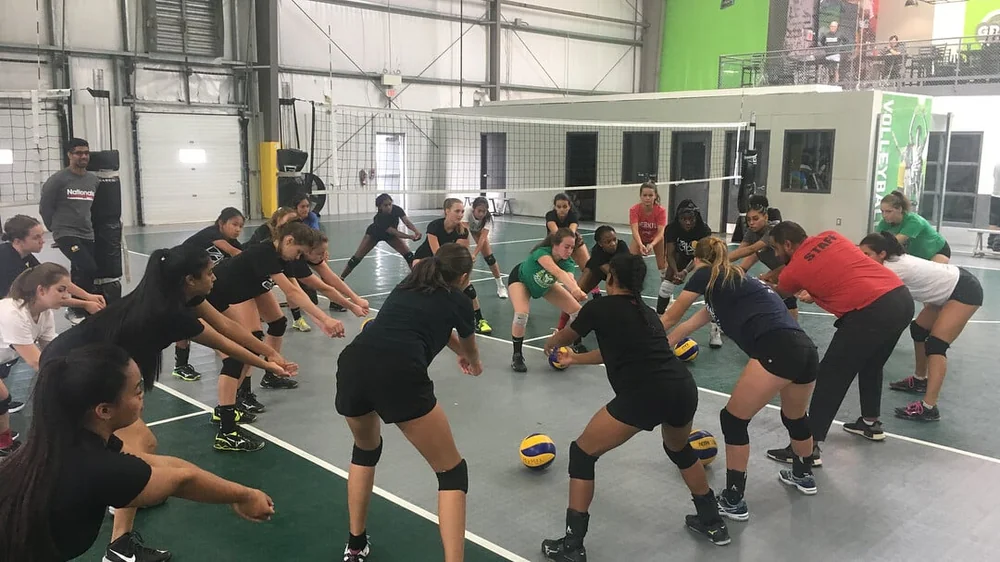
A useful description explains how participants spend their time. Ask about demonstrations, individual practice, partner work and modified games where relevant. Find out how new players are introduced to the activities and whether the group is organized by experience or another stated criterion.
Consider how the participant prefers to learn. Some may appreciate a group introduction with lots of shared activity. Another participant may want to ask about a smaller instructional setting. These are questions to discuss with the provider rather than reasons to assume that one format suits every beginner.
Choose a practical first commitment
Check the full session dates, the number of classes and any published exclusions. Put the actual start time and travel requirements into the family calendar. Include the time needed to find the gym and follow the provider’s arrival instructions.
Ask what happens if a session is missed or a schedule changes. Review cancellation and refund information before paying. If a location or time is only a tentative possibility, keep looking until you have enough confirmed information to make a workable plan. A manageable schedule helps the family follow through on the choice.
When browsing an organization that serves several cities, check the address rather than relying on the program name. The same program family may appear in more than one municipality. For a Mississauga search, keep the chosen venue and its arrival instructions with the exact session you intend to book.
Know what is included and what to bring
Read the program’s equipment and clothing instructions rather than building a shopping list from a generic article. Confirm which items the provider supplies and which items the participant must bring. Check for venue-specific requirements, including footwear or other arrival rules.
It is also useful to ask where a parent should wait, whether spectators are accommodated and how collection works at the end. Keep the answer for the exact venue with your registration details. A clear first-visit plan removes small uncertainties that can otherwise make arrival unnecessarily stressful.
Use a short enquiry to resolve uncertainty
An effective message contains the participant’s grade or age, a brief description of experience and the exact session under consideration. Ask whether that option is a suitable starting point. If the provider recommends another program, ask what makes it a better fit and which eligibility rule applies.
- Is previous volleyball experience required for this group?
- How is a new participant introduced to the activities?
- What experience level are the other participants expected to have?
- Are the published dates and venue confirmed for the session?
- What should the participant bring to the first class?
Keep the reply and the registration confirmation together so the family can refer to the same information.
Judge progress through useful observations
After attending, ask what the participant learned and whether they understood the instructions. Notice whether they can describe an activity they practised or a piece of feedback they received. If something is confusing, discuss the specific issue with the instructor or provider.
Decisions about moving to another group should use the provider’s current criteria and advice. A player’s next step may be more time learning the basics, a different teaching format or another eligible program. Avoid treating a fixed number of classes as a guarantee of readiness for a particular league or team.
Explore the official lesson options
Read Pakmen’s Spikes Learn-to-Play information for that program’s description. Use the official lesson listings to explore other options and current sessions. Confirm eligibility and suitability with Pakmen before registering.
Keep exploring
Useful guides for your next step

Understanding age and grade eligibility for sports programs
Learn how to read age, grade, experience and season-specific requirements without assuming that a broad finder match guarantees eligibility.
Read the guide: Understanding age and grade eligibility for sports programs
Preparing for volleyball tryouts without missing the practical details
Understand the opportunity, confirm the current instructions and make a clear arrival and follow-up plan before a volleyball tryout.
Read the guide: Preparing for volleyball tryouts without missing the practical detailsChoosing a seasonal sports camp in Mississauga
Compare the camp format, eligibility, full-day arrangements and official terms before booking a school-break program.
Read the guide: Choosing a seasonal sports camp in Mississauga
Leave a Reply